


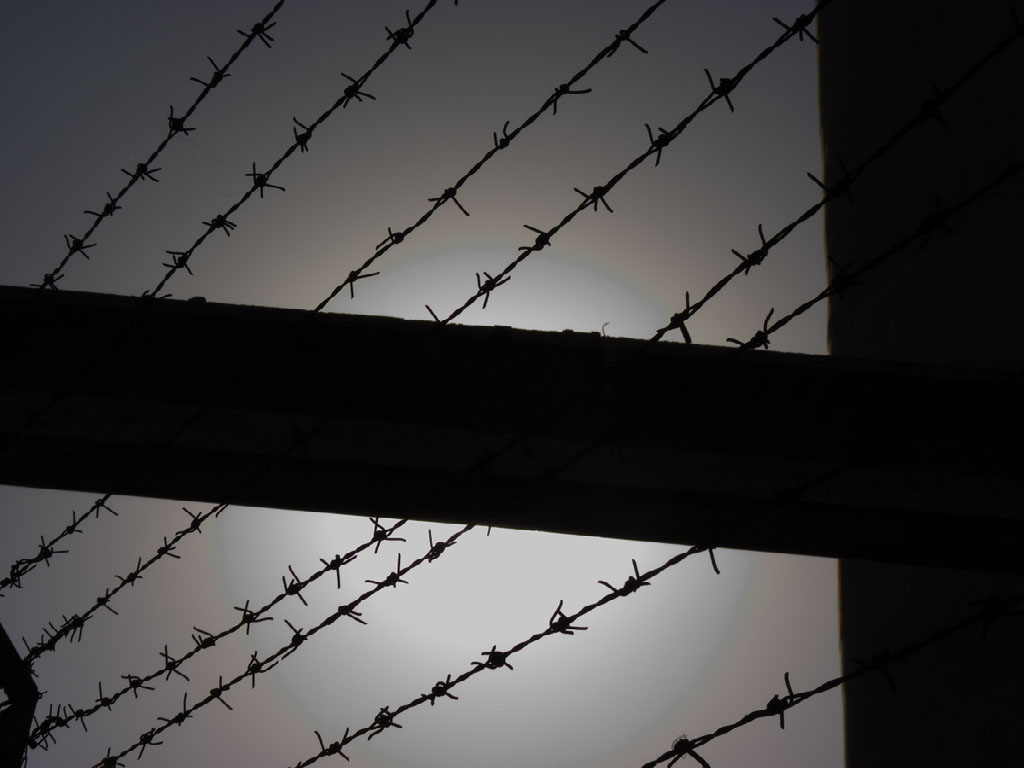
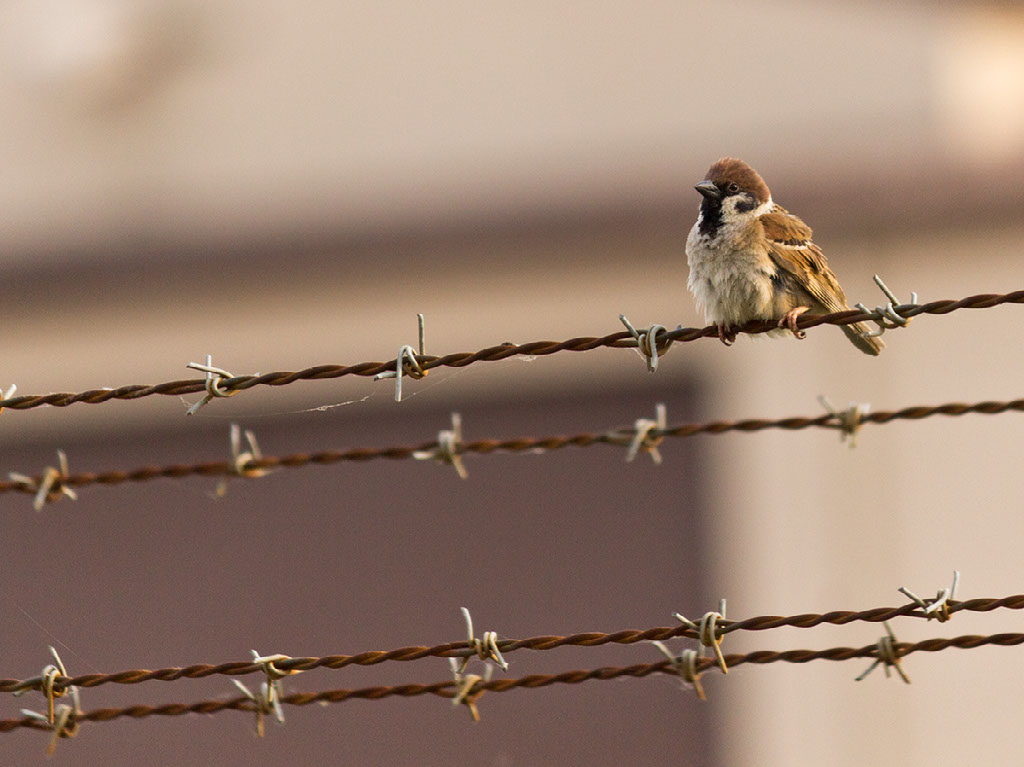

The first patent in the United States for barbed wire was issued in 1867 to Lucien B. Smith of Kent, Ohio, who is regarded as the inventor.
This fence attracted the attention of each of the three men, Joseph Glidden, Jacob Haish, and Isaac Ellwood. Each man had the idea to improve upon Rose's fence by attaching the spikes (barbs) directly to a piece of wire.
With miles of fences being constructed daily, there arose a need to define a lawful fence. In Kansas, lawmakers debated the issue and wrote legally binding definitions of proper fencing.
The technology of fencing also led to agricultural improvements in the cattle industry. Most importantly, barbed wire fencing led to an improved grade of livestock. In the past, the health, and thus value, of cattle had been strained by the effects of endless wandering on the Open Range.
Yet barbed wire fencing also contributed directly to the economic decline of the ranching industry. For fencing cost a great deal, and ranching on a large scale required a great deal of fencing. This cost proved to be too much, for in the end,"the profits in the business were not adequate to support a debt structure such as many of them contracted during the boom days, and as a result the crash came, ruining many of the best companies"
Credits:
Created with images by Nederland in foto's - "Frozen pearls in a barbed wire" • ReinventedWheel - "Barbed Wire Warming Filter" • zeevveez - "Barbed Wire Silouette (1)" • Burp Hammie - "barbed wire bird" • MichaelGaida - "landscape nature meadow"