History of the Automated fingerprint identification System (AFIS) By Haven Brown and Jessica Ryntz
The Automated Fingerprint Identification System (AFIS) is a computerized storage system for tens of millions of fingerprint images. The database picks out the most likely matches to the new print being fed into the system, narrowing the search parameters for investigators. Final analysis of the print and the retrieved images is done by AFIS Technicians to ensure accuracy of identification. The comparison takes the computer only minutes to do a job which would have taken weeks before computerization of the system.
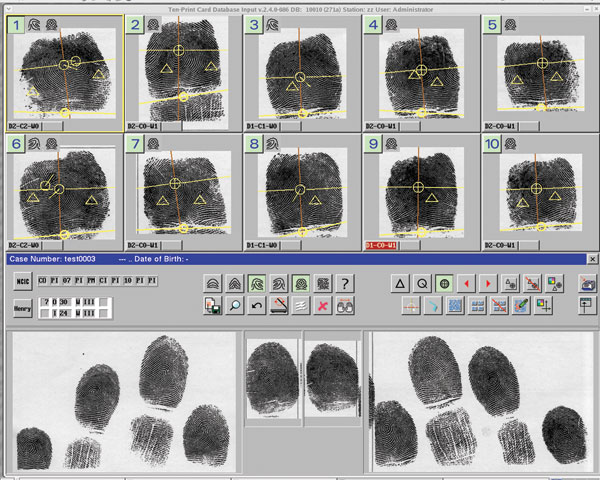
The Automated Fingerprint Identification System was first created in 1974.

Prior to the 1970s, trained officers analyzed inked fingerprints and various items were noted. Minutiae details, such as ridge endings, ridge dots, bifurcations, and enclosures would be coded and the fingerprint cards filed according to patterns (whorls, loops, arches) from the Henry classification system (pictured down below). This method meant that it could take weeks or months for a fingerprint to be processed, as the prints would have to be analyzed at a central fingerprint bureau, whereas an electronic criminal fingerprint submission takes about 27 minutes to process.


With the development of new technologies digital fingerprinting is also now an option. It is done in a similar way to ink fingerprinting but instead of using ink the person "rolls" and places their fingers and palms on a special screen that is attached to a computer that is able to upload the data into a database that can be easily accessed when needed.

The discovery of AFIS has contributed a much faster and easier way to compare fingerprints and to identify people in modern-day forensic investigations.