A Brief History of Stop Motion Animation 2d motion & Animation
As one of the earliest forms of filmmaking, stop motion animation originally involved animating "non-drawn" objects such as blocks, toys, or rigid objects.
It's origins are believed to be from a mistake. In 1896, George Méliès, a french illusionist and filmmaker, accidentally jammed his camera while filming street traffic at the Place de l'Opéra in Paris.
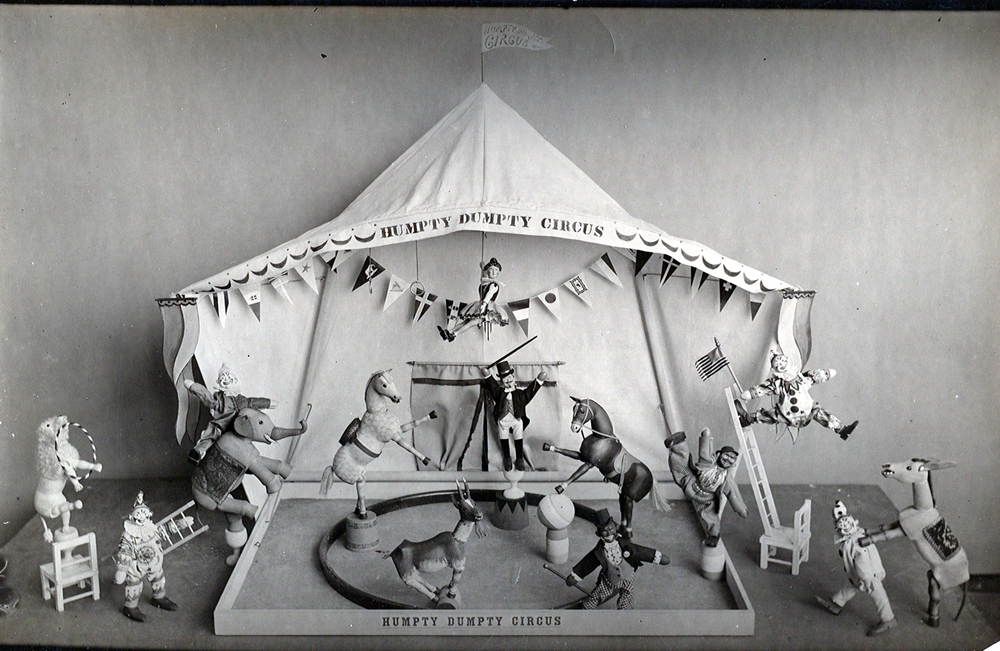
Vitagraph Studios, also known as the Vitagraph Company of America, was a United States motion picture studio. It was founded by J. Stuart Blackton and Albert E. Smith in 1897 in Brooklyn, New York, as the American Vitagraph Company.
Emile Cohl, a French cartoonist and animator, was the one who brought stop-motion animation to America. For his stop-motion short films, he used his drawings, puppets and other inanimate objects that he could find.
Willis O'Brien, an ex-cartoonist, known for his short films on prehistoric subjects, The Lost World and King Kong.

As a disciple of O'Brien, Ray Harryhausen carried on his work. Harryhausen was hired by O'Brien to work on the 1949 Mighty Joe Young.
“Our films are dark fairy tales with elements of grotesquerie and the pathological. We set them in a twilight world, midway between sleep and wakefulness.” -Stephen & Timothy Quay
Surrealist films were a major influence on the Quays while they attended the Royal College of Art in London in the late 1960s. It was there that they began producing their first animated shorts, continuing to this day in their London studio.
Today, there are plenty of stop-motion animation artists who create wonderful stop-motion animated movies with the use of puppets, clay, paper and even photos of humans in action.

Wallace & Gromit, created by British animator, Nick Park.

Tim Burton's Nightmare Before Christmas (1993)
"With up to 12 stop-motion moves required to animate one second of film, it took 100 people over three years to complete Nightmare."
Created by Austin Taylor and team at the University of North Carolina School of the Arts