Anorexia Nervosa By: Bella Pacinelli
Definition: Eating disorder characterized by self-starvation or purging. This disorder causes excessive weight loss.

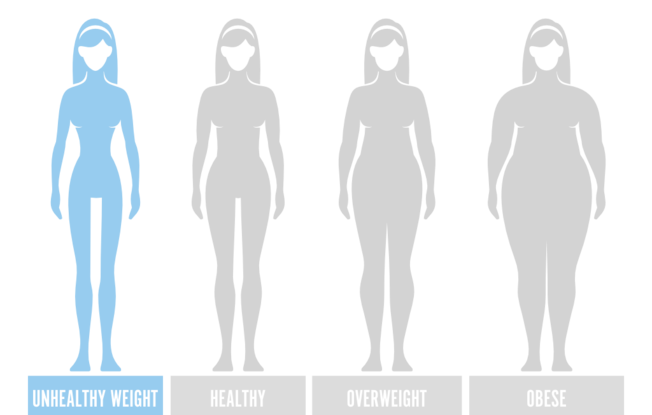
Symptoms: Skinny appearance, dizziness, fainting, fatigue, dehydration, fear of gaining weight, irritability, depression. Anorexia Nervosa can lead to Bulimia Nervosa or Binge Eating Disorder.
Causes: Exact causes are unknown. Bullying is the main factor. Along with this, if a family member suffers from Anorexia Nervosa it's easy to develop it yourself. This disorder ruins a person's way of thinking - believing that being thin is all that matters.

Risk Factors: A person is at higher risk of becoming anorexic if someone in their family struggled with the same issue. Also, if a person suffers from anxiety or low-self esteem it is easy to be a victim to the disorder. Comparison to others is a huge risk factor.
Complications: Fatality, loss of bone, kidney problems, nausea, constipation, heart problems.
Treatment: Beating Anorexia Nervosa usually includes going to a treatment center (rehab.) Regular visits to a therapist will also be beneficial to the person. Seeing a nutritionist will help keep a healthy, balanced diet.
Diagnosis: Diagnosis occurs when a person refuses to eat or has a distorted self-image. The irrational fear of being overweight is an indicator of this sickness.

- Mayo Clinic Staff. "Anorexia Nervosa - Symptoms." Mayoclinic.org. Mayo Foundation for Medical Education and Research, 1998. Web. 4 Nov 2015.
- WebMD. "Understanding Anorexia -- the Basics." Webmd.com. WebMD, 2015. Web. 4 Nov 2015.
- WebMD. "Anorexia Nervosa - What Increases Your Risk." Webmd.com. WebMD, 14 Nov 2014. Web. 6 Nov 2015.
- Mayo Clinic Staff. "Anorexia Nervosa - Complications." Mayoclinic.org. Mayo Foundation for Medical Education and Research, 2014. Web. 6 Nov 2015.
- The New York Times Company. "Diagnosing Anorexia Nervosa." Nytimes.org. New York Times, 2015. Web. 6 Nov 2015.