Effects of fluid in the lungs. What is the effect of fluid in the lungs?
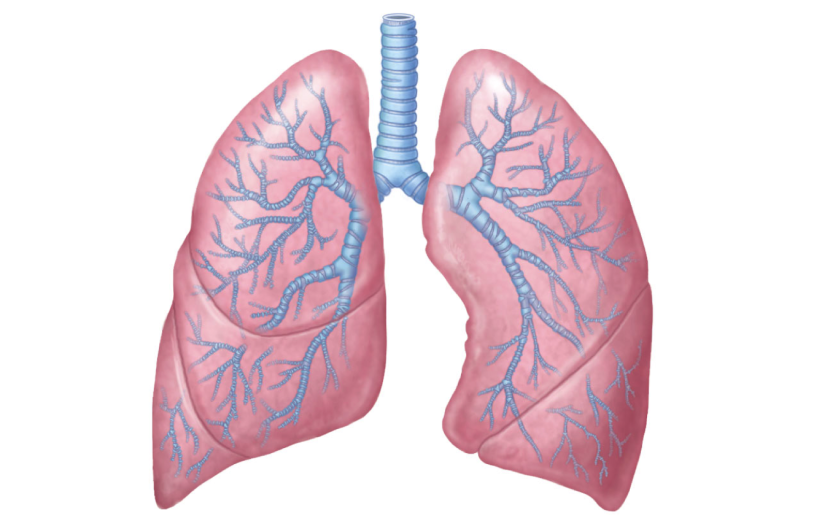
Hypothesis: We expect that the lung with the fluid won't expand as much as the lung without the fluid.
Lungs: Each of the pair of organs situated within the rib cage, consisting of elastic sacs with branching passages into which air is drawn, so that oxygen can pass into the blood and carbon dioxide be removed.

Fluid in the lungs: Pulmonary edema occurs when the alveoli fill up with excess fluid seeped out of the blood vessels in the lung instead of air. This can cause problems with the exchange of gas (oxygen and carbon dioxide)

Edema, in general, means swelling. This typically occurs when fluid from inside blood vessels seeps outside the blood vessel into the surrounding tissues, causing swelling. This can happen either because of too much pressure in the blood vessels or not enough proteins in the bloodstream to hold on to the fluid in the plasma (the part of the blood that does not contain any blood cells).
The cause of fluid in the lung is Pulmonary edema typically filled with alveoli in the lungs by fluid leaking out of the blood. Pulmonary edema may be caused by a number of cardiac or non-cardiac conditions. Breathing difficulty is the main manifestation of pulmonary edema.
Side effects are, shortness of breath, dry cough, pain, inability to lie flat, inability to exercise, and feeling of heaviness or tightness in the chest.
- Symptoms of pleural effusions may include ,Shortness of breath, Chest pain, especially on breathing in deeply (pleurisy, or pleuritic pain), Fever ,Cough.
- Pleural effusions often cause no symptoms. Symptoms are more likely when a pleural effusion is moderate or large-sized, or if inflammation is present.
Before balloons are filled with air.
The right lung filled up with more air because it has no fluid in it. The left lung didn't get as big because it has fluid in it.
Conclusion: Our conclusion lead up to our hypothesis by us testing if the balloon with the fluid would fill up with air like the one without the fluid. We tested our hypothesis and the lung with the fluid did not expand as much because there is not so much room for air to expand much more because of the fluid in the lung.